
Legislators are back in the House today to begin wrapping up the final five days of special session. Negotiations continue on key issues such as workers comp and debt limit, and of course, the 2011-13 budget.
Check in with us on Twitter for regular updates.
Saturday, May 21, 2011
Friday, May 20, 2011
House Ways and Means starts at 9:00 this morning
House Ways and Means will meet this morning in Senate Hearing Room 4 to tackle this agenda:
Public Hearing:
1. HB 2119 - Requiring another one-time sum due by beneficiaries for reporting certain notices of default.
2. SSB 5114 - Streamlining competency evaluation and competency restoration procedures.
3. SSB 5587 - Expiring an underutilized deferral program in the department of revenue under chapter 84.37 RCW.
4. ESB 5873 - Concerning the sales and use tax exemption for qualifying businesses of eligible server equipment.
5. SB 5891 - Relating to criminal justice.
6. SSB 5912 - Expanding family planning services to two hundred fifty percent of the federal poverty level.
7. ESSB 5924 - Regarding the running start program.
8. ESSB 5931 - Reorganizing and streamlining central service functions, powers, and duties of state government.
9. SB 5960 - Concerning medicaid fraud.
Possible Executive Session:
1. HB 2080 - Modifying tax refund and interest provisions.
2. HB 2119 - Requiring another one-time sum due by beneficiaries for reporting certain notices of default.
3. SSB 5587 - Expiring an underutilized deferral program in the department of revenue under chapter 84.37 RCW.
4. ESB 5873 - Concerning the sales and use tax exemption for qualifying businesses of eligible server equipment.
5. SB 5891 - Relating to criminal justice.
6. SSB 5912 - Expanding family planning services to two hundred fifty percent of the federal poverty level.
7. ESSB 5931 - Reorganizing and streamlining central service functions, powers, and duties of state government.
8. SB 5960 - Concerning medicaid fraud.
9. SJR 8206 - Requiring extraordinary revenue growth to be transferred to the budget stabilization account.
For information on these bills, click here.
Public Hearing:
1. HB 2119 - Requiring another one-time sum due by beneficiaries for reporting certain notices of default.
2. SSB 5114 - Streamlining competency evaluation and competency restoration procedures.
3. SSB 5587 - Expiring an underutilized deferral program in the department of revenue under chapter 84.37 RCW.
4. ESB 5873 - Concerning the sales and use tax exemption for qualifying businesses of eligible server equipment.
5. SB 5891 - Relating to criminal justice.
6. SSB 5912 - Expanding family planning services to two hundred fifty percent of the federal poverty level.
7. ESSB 5924 - Regarding the running start program.
8. ESSB 5931 - Reorganizing and streamlining central service functions, powers, and duties of state government.
9. SB 5960 - Concerning medicaid fraud.
Possible Executive Session:
1. HB 2080 - Modifying tax refund and interest provisions.
2. HB 2119 - Requiring another one-time sum due by beneficiaries for reporting certain notices of default.
3. SSB 5587 - Expiring an underutilized deferral program in the department of revenue under chapter 84.37 RCW.
4. ESB 5873 - Concerning the sales and use tax exemption for qualifying businesses of eligible server equipment.
5. SB 5891 - Relating to criminal justice.
6. SSB 5912 - Expanding family planning services to two hundred fifty percent of the federal poverty level.
7. ESSB 5931 - Reorganizing and streamlining central service functions, powers, and duties of state government.
8. SB 5960 - Concerning medicaid fraud.
9. SJR 8206 - Requiring extraordinary revenue growth to be transferred to the budget stabilization account.
For information on these bills, click here.


Thursday, May 19, 2011
In WA, job news keeps getting better and better.
The latest numbers from the state Employment Security Department (ESD) show Washington still on the right road to recovery, adding an estimated 5,800 jobs last month, while the unemployment rate dipped from 9.2 to 9.1 percent. That makes for a net gain of 41,500 jobs since April 2010.
The biggest increases were seen in construction, up 2,400; professional and business services, up 1,700; manufacturing, up 1,200; retail trade, up 900; transportation, warehousing and utilities, up 900; information, up 900; education and health services, up 900; financial activities, up 500; and wholesale trade, up 200.
Meanwhile, government continued to shrink by 2,500 more jobs.
This continues a slow but steady upward trend (past posts here and here) in Washington's job growth spanning more than a year now. But if you're still looking for a job, Employment Security can help. ESD is a partner in the statewide WorkSource system, which offers a variety of employment and training services for job seekers, including free help with interviewing skills, résumés and job referrals. WorkSource also helps employers recruit and screen for qualified workers, apply for employment tax breaks, and qualify for subsidized employee training.
Visit their website or peruse job listings here. Or phone at 877-872-5627.
To read this blog post in Spanish go here.
The biggest increases were seen in construction, up 2,400; professional and business services, up 1,700; manufacturing, up 1,200; retail trade, up 900; transportation, warehousing and utilities, up 900; information, up 900; education and health services, up 900; financial activities, up 500; and wholesale trade, up 200.
Meanwhile, government continued to shrink by 2,500 more jobs.
This continues a slow but steady upward trend (past posts here and here) in Washington's job growth spanning more than a year now. But if you're still looking for a job, Employment Security can help. ESD is a partner in the statewide WorkSource system, which offers a variety of employment and training services for job seekers, including free help with interviewing skills, résumés and job referrals. WorkSource also helps employers recruit and screen for qualified workers, apply for employment tax breaks, and qualify for subsidized employee training.
Visit their website or peruse job listings here. Or phone at 877-872-5627.
To read this blog post in Spanish go here.
Rep. Reykdal named the American Federation of Teachers’ Legislator of the Year
With (nearly) one session under his belt, freshman state representative Chris Reykdal is already making a positive impact on both our state’s students and working families, according to the American Federation of Teachers (AFT), which named Reykdal their Washington Legislator of the Year.
The Washington Chapter of the American Federation of Teachers represents 6,000 members, predominantly in the Higher Education workforce. The national organization is an umbrella group representing, preK-12 teachers; paraprofessionals and school-related personnel; higher education faculty and professional staff; early childhood educators; federal, state and local government employees; and nurses and other healthcare professionals.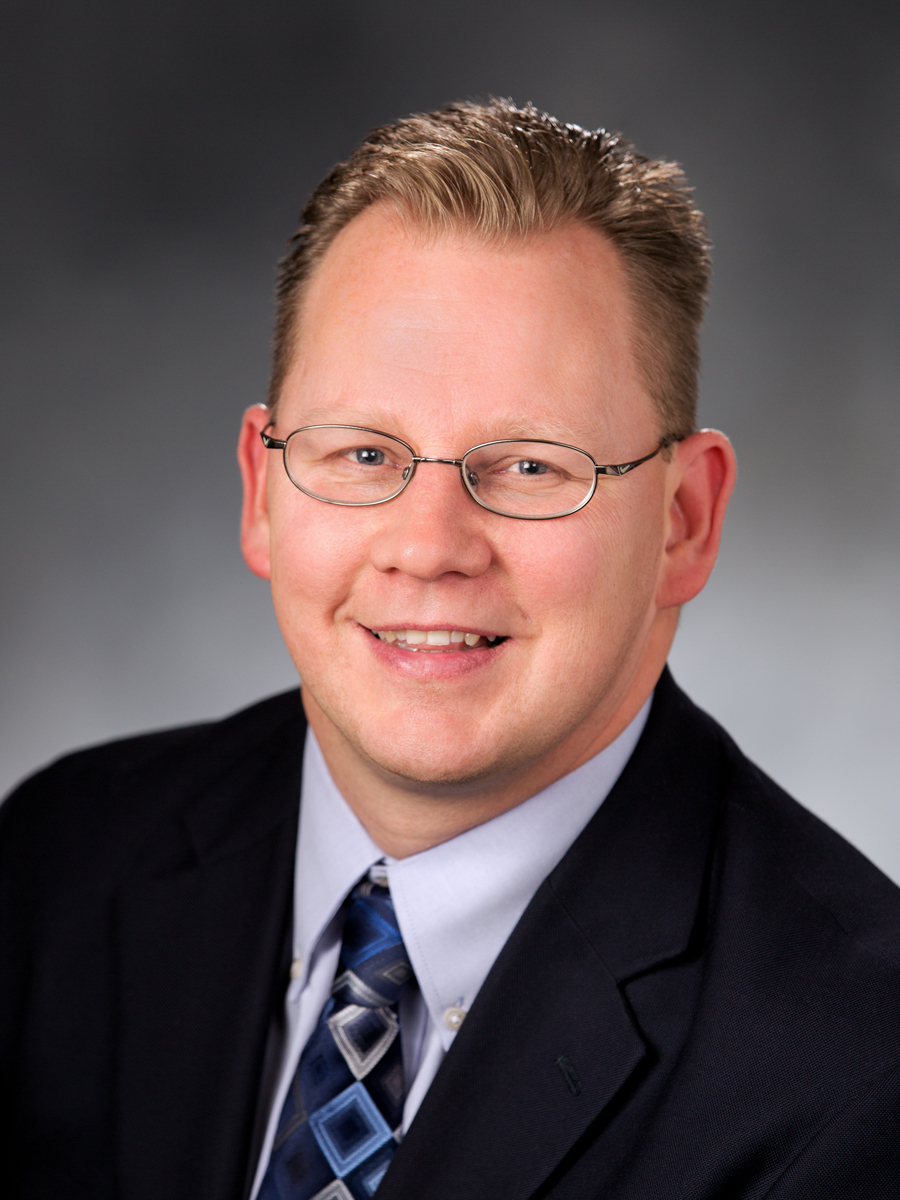
AFT’s choice of Rep. Reykdal as Legislator of the Year is due in large part to his sponsorship and advocacy around HB 1631 – providing consistent and predictable state funding for community and technical college academic employee salary increases. The organization’s award is not given out lightly, Sandra Schroeder, a faculty union activist for AFT Washington, explains. In fact, it’s not even awarded to a legislator every year. “But Chris did such an outstanding job this year, we couldn’t NOT give it to him!” said Schroeder.
“Our long-term success in Washington depends heavily on our commitment to educate students beyond high school,” said Reykdal. “Thank you AFT members for letting me partner with you! You folks change lives every day and I am honored to be recognized by you!”
The American Federation of Teachers, AFL-CIO, states its mission as to improve the lives of our members and their families; to give voice to their legitimate professional, economic and social aspirations; to strengthen the institutions in which we work; to improve the quality of the services we provide; to bring together all members to assist and support one another; and to promote democracy, human rights and freedom in our union, in our nation and throughout the world.
The Washington Chapter of the American Federation of Teachers represents 6,000 members, predominantly in the Higher Education workforce. The national organization is an umbrella group representing, preK-12 teachers; paraprofessionals and school-related personnel; higher education faculty and professional staff; early childhood educators; federal, state and local government employees; and nurses and other healthcare professionals.
AFT’s choice of Rep. Reykdal as Legislator of the Year is due in large part to his sponsorship and advocacy around HB 1631 – providing consistent and predictable state funding for community and technical college academic employee salary increases. The organization’s award is not given out lightly, Sandra Schroeder, a faculty union activist for AFT Washington, explains. In fact, it’s not even awarded to a legislator every year. “But Chris did such an outstanding job this year, we couldn’t NOT give it to him!” said Schroeder.
“Our long-term success in Washington depends heavily on our commitment to educate students beyond high school,” said Reykdal. “Thank you AFT members for letting me partner with you! You folks change lives every day and I am honored to be recognized by you!”
The American Federation of Teachers, AFL-CIO, states its mission as to improve the lives of our members and their families; to give voice to their legitimate professional, economic and social aspirations; to strengthen the institutions in which we work; to improve the quality of the services we provide; to bring together all members to assist and support one another; and to promote democracy, human rights and freedom in our union, in our nation and throughout the world.
Full speed ahead
House leaders late yesterday announced the schedule for the remaining days of the special session, telling legislators to plan on being here all weekend.
The House Ways & Means Committee has a packed agenda for their meeting tomorrow at 9. Some of the session's frequently discussed bills up for hearing tomorrow include the liquor warehousing proposal from the Senate, ten percent of tuition charge for Running Start, and consolidation of multiple agencies and services.
Legislators will take up bills on the floor beginning Saturday morning at 10, with plans to continue working through Wednesday.
To read this blog post in Spanish, go here.
The House Ways & Means Committee has a packed agenda for their meeting tomorrow at 9. Some of the session's frequently discussed bills up for hearing tomorrow include the liquor warehousing proposal from the Senate, ten percent of tuition charge for Running Start, and consolidation of multiple agencies and services.
Legislators will take up bills on the floor beginning Saturday morning at 10, with plans to continue working through Wednesday.
To read this blog post in Spanish, go here.
Tuesday, May 17, 2011
New standards add stronger protection for vulnerable people
Three recent legislative victories have been signed into law to strengthen protection for senior citizens and other people potentially at-risk of abuse and exploitation, a topic recently reported extensively by the Seattle Times. State Rep. Jim Moeller, who has been working on the problem for several years, said these measures “definitely merit highlighting in the Win Column for our vulnerable population.”
* House Bill 1494 establishes needed standards for agencies that refer citizens to social-help programs and services. “The majority of referral agencies do a good job matching senior citizens with appropriate services,” Moeller said. “Fortunately most of the time, there’s no problem at all. But yes, there are those agencies that fall way short of meeting their responsibilities, sometimes endangering the health and well-being of very vulnerable adults.”
Moeller explained that the new law requires a disclosure form including “clear and cogent information acknowledged by the senior citizen about what the agency does and doesn’t do, and directions for making a complaint to the Attorney General. An intake form to assist with a proper referral (i.e., information on any medical conditions, special diets, behaviors or cultural needs) would also need to be completed.”
* House Bill 1053 implements recommendations from a 2009 report delivered by the Washington State Bar Association elder law section’s executive committee guardianship task force. Recommendations carried out in the new law direct that:
* Lay guardians will receive free training, which will be available online from the state Administrative Office of the Courts or superior courts.
* Expiration dates will be set for letters of guardianship.
“A serious problem also addressed in the legislation is the fact that it’s been very difficult to determine the number and status of guardianships in Washington,” Moeller said.
* Senate Bill 5042, which includes directions outlined in House Bill 1104, adds what Moeller calls “very important and much-needed teeth” to current laws on the books to protect vulnerable adults. The measure will:
* Prohibit either wrongful control or withholding of a vulnerable adult’s property (and it spells out exactly what constitutes financial exploitation).
* Require the Department of Social & Health Services to provide a statement of rights to vulnerable adults whose cases are under investigation.
* Provide standards for the department to work with federally recognized Native American tribes to investigate abuse or financial exploitation that has taken place on tribal land.
The new standard expands the definition of “financial exploitation" beyond just the illegal or improper use of a vulnerable adult’s property. The proposal would include in the law’s definition the illegal or improper control over or withholding of property.
Moeller in recent years has won widespread public, legislative and gubernatorial support for laws to halt exploitation of vulnerable senior citizens and other people. Moeller has worked with a task force of southwestern Washington citizens and other concerned individuals and organizations to create protective standards, including this year’s meticulous effort against exploitation.
Here’s a very good link to a May 16, 2011, Washington State Court of Appeals decision on what’s called the slayer statute: http://www.courts.wa.gov/opinions/pdf/65101-3.pub.doc.pdf.
* House Bill 1494 establishes needed standards for agencies that refer citizens to social-help programs and services. “The majority of referral agencies do a good job matching senior citizens with appropriate services,” Moeller said. “Fortunately most of the time, there’s no problem at all. But yes, there are those agencies that fall way short of meeting their responsibilities, sometimes endangering the health and well-being of very vulnerable adults.”
Moeller explained that the new law requires a disclosure form including “clear and cogent information acknowledged by the senior citizen about what the agency does and doesn’t do, and directions for making a complaint to the Attorney General. An intake form to assist with a proper referral (i.e., information on any medical conditions, special diets, behaviors or cultural needs) would also need to be completed.”
* House Bill 1053 implements recommendations from a 2009 report delivered by the Washington State Bar Association elder law section’s executive committee guardianship task force. Recommendations carried out in the new law direct that:
* Lay guardians will receive free training, which will be available online from the state Administrative Office of the Courts or superior courts.
* Expiration dates will be set for letters of guardianship.
“A serious problem also addressed in the legislation is the fact that it’s been very difficult to determine the number and status of guardianships in Washington,” Moeller said.
* Senate Bill 5042, which includes directions outlined in House Bill 1104, adds what Moeller calls “very important and much-needed teeth” to current laws on the books to protect vulnerable adults. The measure will:
* Prohibit either wrongful control or withholding of a vulnerable adult’s property (and it spells out exactly what constitutes financial exploitation).
* Require the Department of Social & Health Services to provide a statement of rights to vulnerable adults whose cases are under investigation.
* Provide standards for the department to work with federally recognized Native American tribes to investigate abuse or financial exploitation that has taken place on tribal land.
The new standard expands the definition of “financial exploitation" beyond just the illegal or improper use of a vulnerable adult’s property. The proposal would include in the law’s definition the illegal or improper control over or withholding of property.
Moeller in recent years has won widespread public, legislative and gubernatorial support for laws to halt exploitation of vulnerable senior citizens and other people. Moeller has worked with a task force of southwestern Washington citizens and other concerned individuals and organizations to create protective standards, including this year’s meticulous effort against exploitation.
Here’s a very good link to a May 16, 2011, Washington State Court of Appeals decision on what’s called the slayer statute: http://www.courts.wa.gov/opinions/pdf/65101-3.pub.doc.pdf.
Investing in dropout prevention
 Studies show taxpayers save $10,500 per year, every year, for each student who stays in school and graduates rather than dropping out.
Now Washington has a new law that will use proven strategies to reduce the dropout rate and help more students graduate from high school.
The Governor's signature on House Bill 1599 means that for the first time, there will be a pay-for-performance system to incentivize schools to address dropout prevention.
"After years of high school dropout rates remaining fairly unchanged, I truly believe this bill will mark the beginning of a new era for high school graduation rates all across Washington state," said Rep. Tim Probst, who prime-sponsored the bill.
You can read more about the Pay for Actual Student Success (PASS) Act here and here.
To read this blog post in Spanish, go here.
Subscribe to:
Posts (Atom)
